

MobilePro #219: Building Safer Async Apps with Swift 6
Latest Mobile Dev Insights: iOS, Android, Cross-Platform

From Greybox to Cinematic: Create a Stylized Japanese Environment in Blender

Step into the world of stylized environment creation in Blender and learn how to turn a simple greybox into a cinematic render 🎨✨
Join 3D Tudor’s hands-on workshop and build a Japanese-inspired environment using modelling, terrain sculpting, geometry nodes, lighting, shaders, vegetation, and compositing workflows.
Perfect for Blender artists, environment designers, and aspiring 3D creators looking to create polished cinematic scenes.
🌸 Build. Light. Compose. Render.
📅 23rd May
Use code: BLENDER50 and get 50% Off!
Today we are covering a piece on Swift 6 structured concurrency and why Apple’s latest concurrency model matters far beyond just cleaner syntax. What makes this especially relevant right now is how quickly modern app development is moving toward AI-assisted, highly parallel workflows where responsiveness, shared state management, and reliability become even more important.
That broader shift is visible across this week’s updates too. Google I/O 2026 doubled down on Gemini-powered development experiences, OpenAI is bringing Codex workflows directly onto mobile devices, and both Apple and Google are pushing AI deeper into their developer ecosystems.
As apps become more context-aware and AI-driven, concurrency goes beyond being a backend concern, becoming part of the foundation for building responsive, scalable mobile experiences.
TL;DR
Swift 6 structured concurrency makes async code safer, cleaner, and easier to reason about
Actors and strict concurrency checking help prevent data races before apps ship
Async/await improves readability while keeping apps responsive during background work
Task groups and cooperative cancellation simplify large-scale concurrent operations
Modern AI-assisted workflows will increasingly depend on strong concurrency foundations
As AI becomes embedded across development tools and apps, predictable async behavior matters more than ever
Learn about AI-Ready APIs from
OpenAPI Ambassadors on May 23rd
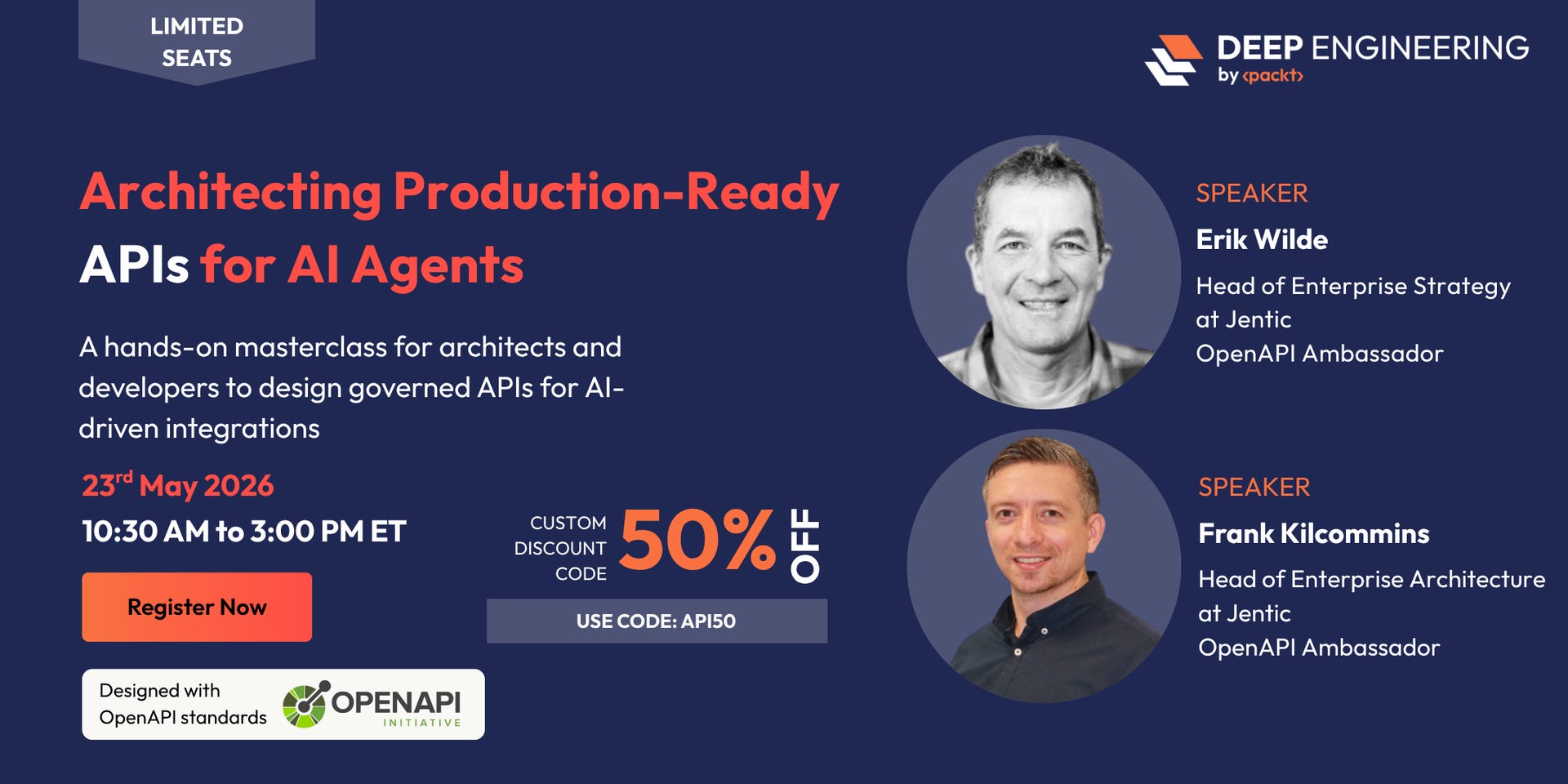
Join our hands-on masterclass, Architecting Production-Ready APIs for AI Agents, and learn how to build API ecosystems that stay predictable, secure, and governed in an AI-driven world.
Led by two OpenAPI Ambassadors, Erik Wilde and Frank Kilcommins, this session brings practical, real-world expertise in API design and governance.
Get 50% off when you register within the next 48 hours. Use code: API50
Discount Code - API50
This week’s news corner
Everything Google announced at I/O 2026: At Google I/O 2026, Google unveiled major AI upgrades powered by Gemini across Search, Workspace, YouTube, shopping, and Android XR, introducing smarter personal agents, AI-powered search experiences, and next-gen wearable devices.
Apple kicks off WWDC 2026 on June 8 with major AI focus: Apple has officially unveiled the schedule and details for WWDC 2026, which runs from June 8–12 and will give developers early access to the latest Apple platforms, tools, and APIs. The conference is expected to heavily spotlight AI advancements, including major Siri and Apple Intelligence upgrades, alongside updates to iOS 27, macOS 27, and Xcode.
Google pushes Gemini Intelligence deeper into Android development: Google is expanding Gemini Intelligence across Android development, introducing new AI-powered tools and APIs aimed at helping developers build smarter, more context-aware app experiences. The updates focus on agentic workflows, adaptive UI generation, and tighter integration between Gemini and Android Studio to automate coding, testing, and app interactions.
Apple brings AI-powered accessibility upgrades to iPhone: Apple has announced new iPhone accessibility features powered by Apple Intelligence, including smarter VoiceOver descriptions, Accessibility Reader, and live captions for uncaptioned content. The updates also improve Voice Control and Magnifier with more natural language interactions and AI-assisted understanding of on-screen content.
OpenAI brings Codex to mobile for on-the-go app development workflows: OpenAI has expanded Codex into the ChatGPT mobile app, allowing developers to monitor, approve, and steer coding tasks directly from iPhones and Android devices while workflows continue running on desktop or remote environments. For mobile developers, this means AI-assisted coding no longer stops when they leave their desks; developers can review diffs, approve commands, track builds, and manage long-running app development tasks from anywhere.
Structured Concurrency in Swift 6: Safer and Smarter Async Programming
Modern applications are expected to remain fast, responsive, and capable of handling multiple operations at the same time. Whether downloading data, processing files, or updating a user interface, concurrency has become a critical part of software development.
Swift 6 introduces a more powerful and developer-friendly concurrency model that makes asynchronous programming easier, safer, and more reliable.
Swift’s structured concurrency model is built around features such as async/await, tasks, task groups, actors, and strict concurrency checking.
Together, these tools help developers write concurrent code that is easier to read and significantly less prone to common problems like race conditions and deadlocks.
Understanding Data Races
A major focus of Swift 6 is preventing data races. A data race occurs when multiple threads access the same mutable data simultaneously, while at least one thread modifies that data. Because execution timing varies unpredictably, applications can behave inconsistently or even crash.
Swift 6 addresses this challenge with compile-time safety features, including async and await, tasks and task groups, Actors, Sendable types, and strict concurrency checking.
These additions help developers detect concurrency problems early during development rather than after deployment.
Async/Await: Writing Cleaner Asynchronous Code
Swift’s async/await syntax simplifies asynchronous programming by making async code read almost like synchronous code.
Functions marked with async can pause execution while waiting for long-running operations such as network calls or file access. The await keyword indicates where the pause occurs.
For example:
func retrieveData() async -> String
Calling the function:
let data = await retrieveData()
Unlike older callback-based approaches, async/await improves readability and reduces deeply nested completion handlers. It also keeps the main thread responsive while background work completes.
Swift additionally supports running multiple async operations concurrently using async let:
async let userData = retrieveUserData()
async let imageData = retrieveImageData()
The application can then wait for both results together:
let results = await (userData, imageData)This enables efficient parallel execution while maintaining predictable flow control.
Tasks and Task Groups
Tasks represent independent units of asynchronous work. They provide greater flexibility and control compared to traditional dispatch queues. A task can be created using:
Task {
// asynchronous work
}
Swift manages task execution internally using cooperative thread scheduling, meaning tasks do not necessarily create new threads.
Detached Tasks
Detached tasks run independently of their parent task:
Task.detached {
let data = await retrieveUserData()
}
These are useful when work should continue independently without inheriting the parent task’s context.
Task Cancellation
Swift uses cooperative cancellation. Tasks can check whether cancellation has been requested using:
Task.isCancelledThis allows tasks to stop gracefully, release resources, and maintain application stability.
Task Groups
Task groups allow developers to manage collections of concurrent tasks together. Multiple operations can run simultaneously, and results can be gathered collectively.
This is especially useful when fetching multiple resources in parallel or processing batches of data.
Actors: Safe Shared State Management
Actors are one of Swift’s most important concurrency features. They provide a safe way to manage mutable shared state by ensuring only one thread accesses actor data at a time.
An actor can look similar to a class:
actor BankAccount {
private var balance: Double
}
Unlike classes, actors automatically protect their internal state from concurrent access, dramatically reducing the risk of race conditions. Accessing actor methods requires await because interactions are asynchronous by design.
Global Actors
Swift also supports global actors, which provide shared execution contexts across an application. A common example is MainActor, which ensures UI-related code runs safely on the main thread.
Sendable Types and Strict Concurrency Checking
Swift 6 introduces stronger compile-time enforcement through the Sendable protocol. A Sendable type is safe to transfer across threads and tasks. Value types like Int, String, arrays, and structs often conform automatically.
For custom types, developers can explicitly declare conformance:
struct Transaction: SendableThis ensures data shared between concurrent contexts remains safe and predictable.
Strict Concurrency Checking
Swift 6 also introduces Strict Concurrency Checking, which analyzes code for potential race conditions and unsafe shared state. Developers can enable complete checking in Swift compiler settings or Xcode build settings.
This feature helps identify concurrency issues during development, improving application reliability before release.
Bridging Legacy APIs with Continuations
Many older APIs still rely on completion handlers. Swift provides continuations to bridge these APIs into the modern async/await world using withCheckedContinuation and withCheckedThrowingContinuation.
These allow callback-based code to integrate seamlessly into Swift’s structured concurrency model while maintaining cleaner syntax and better error handling.
Best Practices for Swift Concurrency
Here are some recommended best practices when working with structured concurrency in Swift:
Prefer async/await Over Completion Handlers: Use Swift’s modern async syntax whenever possible for cleaner, easier-to-maintain code.
Use Actors for Shared Mutable State: Actors provide built-in protection against race conditions and should be preferred over manual locking mechanisms.
Keep Tasks Lightweight: Avoid long-running blocking operations inside tasks. Let Swift’s concurrency system manage execution efficiently.
Handle Task Cancellation Gracefully: Always check Task.isCancelled in long-running operations and clean up resources properly.
Use Task Groups for Parallel Work: Task groups simplify coordinating multiple asynchronous operations while improving performance.
Swift 6 structured concurrency introduces a modern, safer, and more maintainable approach to asynchronous programming. Features like async/await, tasks, actors, task groups, and strict concurrency checking make it significantly easier to build responsive and reliable applications while avoiding common concurrency pitfalls.
By adopting these tools and following concurrency best practices, developers can create scalable Swift applications that remain efficient, stable, and easier to maintain in increasingly complex environments.
📚 Go Deeper
If you want to master Swift 6, Mastering Swift 6 by Jon Hoffman offers a practical look at modern programming techniques for high-performance apps.
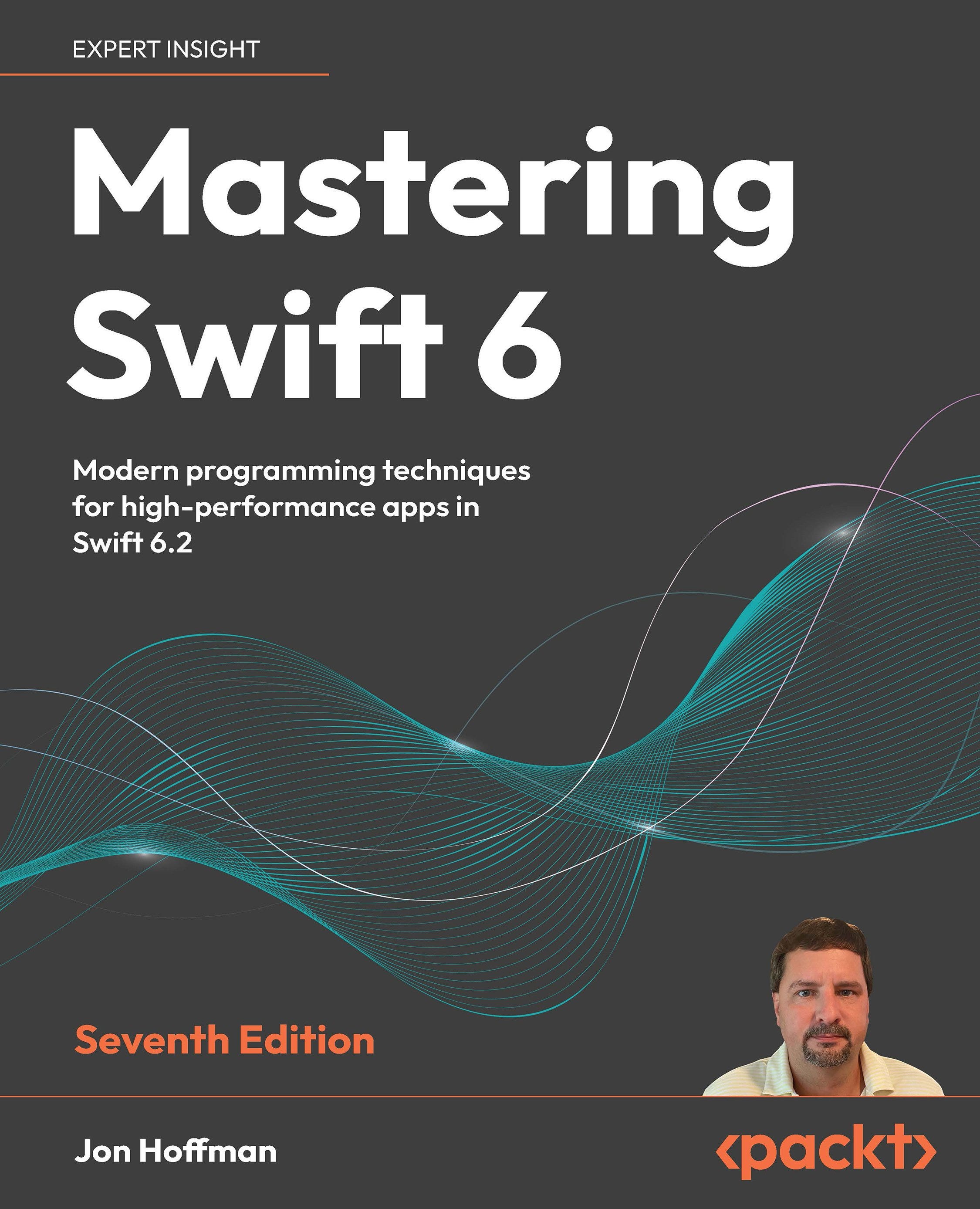
Mastering Swift 6
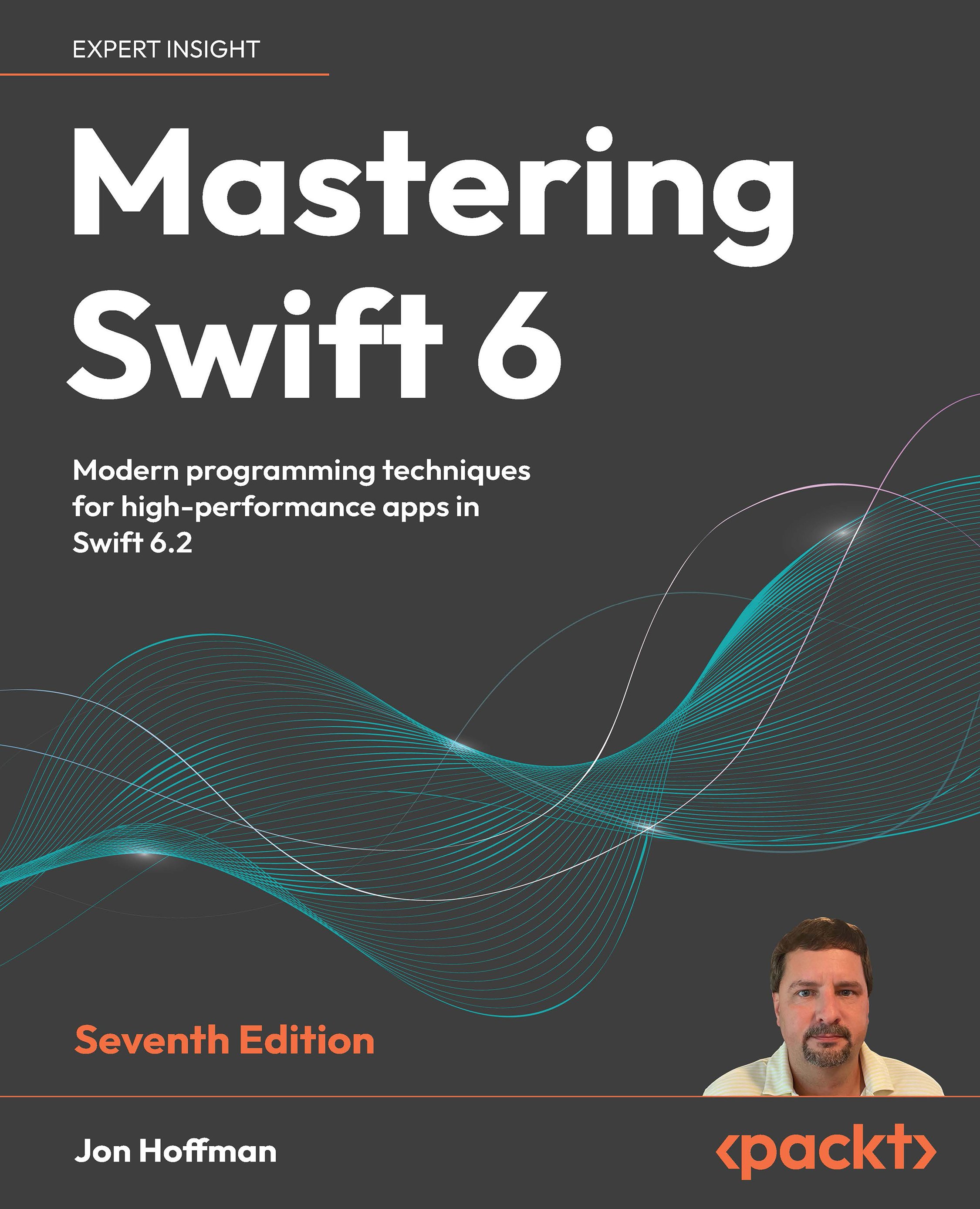
🧑💻 Perfect your application development capabilities using the latest features of Swift 6.2
🛠️ Learn advanced techniques like concurrency, memory management, Generics, and Swift Testing
📱 Apply best practices in Swift to write clean, scalable, and maintainable code

💬 Let’s Talk
How often do you actually update your paywall after shipping it?
Reply and let me know — curious how teams approach iteration.
Advertise with us
Interested in sponsoring this newsletter and reaching a highly engaged audience of tech professionals? Simply reply to this email and our team will get in touch with next steps.